What makes a hero OP for climbing
At low and mid ranks it's not complex combinations that decide games, but simple, reliable heroes — the same principle that how MMR boosting works is built on. A good climbing pick usually combines several traits:
- High impact without leaning on teammates — the hero decides games on his own, without waiting for a perfect team.
- Forgives mistakes — tankiness, healing or a second life save you when your play is imprecise.
- Snowball — from a small lead he quickly becomes much stronger.
- Self-sufficiency — doesn't depend on allies' picks or coordination.
- Simple mechanics — less micro, a more stable result over the long run.
- Strong early and mid game — at low ranks games are often decided before the late game.
Tier list by role
Picks are selected by win rate in public matches on patch 7.41e. Next to each one is the win percentage in Herald–Crusader: the ranks most climbs actually start from — and where a Dota 2 MMR boost is most often ordered.
| Role | Reliable picks | Why they're good |
|---|---|---|
| Carry (1) | Wraith King 55.8 · Spectre 55.0 · Lifestealer 52.2 · Phantom Assassin 51.8 · Juggernaut 51.4 | Survivability, self-sufficiency, fight impact |
| Mid (2) | Necrophos 52.2 · Dragon Knight 51.1 · Sniper 51.1 · Outworld Devourer 51.0 · Zeus 50.2 | Damage, survivability and map pressure |
| Offlane (3) | Legion Commander 52.6 · Underlord 52.0 · Axe 51.7 · Centaur Warrunner 51.5 · Dawnbreaker 51.5 | Tank, initiate and forgive mistakes |
| Support (4) | Pudge 52.4 · Mirana 52.2 · Nyx Assassin 52.1 · Spirit Breaker 51.8 · Bounty Hunter 51.4 | Ganks, control and simplicity |
| Support (5) | Vengeful Spirit 53.6 · Witch Doctor 52.8 · Lich 52.6 · Crystal Maiden 52.5 · Shadow Shaman 51.8 | Control and impact even without items |
Win rates come from open public-match statistics (OpenDota) in Herald–Crusader, snapshot taken on September 8, 2026. All twenty-five picks hold 50% or above; in mid ranks (Archon–Legend) the picture is nearly the same.
The same reliable picks by role, as icons:
 Wraith King
 Spectre
 Lifestealer
 Phantom Assassin
 Juggernaut
 Necrophos
 Dragon Knight
 Sniper
 Outworld Devourer
 Zeus
Zeus
 Legion Commander
 Underlord
 Axe
Axe
 Centaur Warrunner
 Dawnbreaker
 Pudge
Pudge
 Mirana
 Nyx Assassin
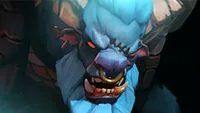 Spirit Breaker
 Bounty Hunter
 Vengeful Spirit
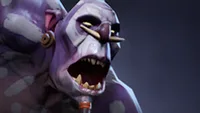 Witch Doctor
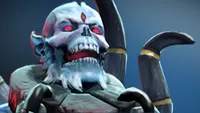 Lich
Lich
 Crystal Maiden
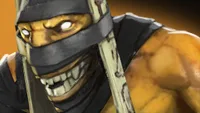 Shadow Shaman
If you're around Herald–Crusader, the easiest carries are dead-simple heroes: Axe in the offlane (Berserker's Call + Counter Helix), Wraith King as a carry (a second life forgives mistakes) and Necrophos in the mid (he heals himself and rarely loses the lane).
On patches and relevance
The exact "OP" list shifts with every patch — this snapshot was taken on 7.41e. The principles from the first section hold for years, the specific names do not, and that is worth checking. An example from this very guide: Huskar used to be on the list, the classic "I'll carry low ranks" hero. On 7.41e he wins 44.5% of games in Herald–Crusader — he loses more than half. Axe, Wraith King, Spirit Breaker and Crystal Maiden do hold from patch to patch, because their strength is simplicity and impact, but that core alone will not fill out a list.
Want the freshest snapshot for your exact rank — check hero win-rate stats (for example, on Dotabuff): filter by your rating bracket and it'll show who's strongest right now. The principle of "play a simple, strong hero" doesn't change either way — it works the same in solo and duo boosting.
How many heroes to learn
The main mistake while climbing is trying to play "a hero for every game". A narrow pool of 3-5 heroes for your role is far more effective: practiced picks give a predictable result and fast skill growth, and they save you time and nerves — and if you're curious how much a climb costs with a booster, that's covered in a separate guide.
If you haven't settled on a role yet — start with the breakdown of positions in Dota 2 and pick the one that fits your style. And the overall plan for raising your rating is in the guide how to raise MMR.