Easy heroes for beginners: where to start
A beginner shouldn't try to dominate right away — first learn the basics: last-hitting, the map and timings. That's easiest on heroes with point-and-click abilities and a margin of safety. We break down what makes a hero easy and give examples for each role. The meta shifts, ease of control doesn't.
What makes a hero easy
An easy hero is one that forgives mistakes and doesn't drain attention on extra micro. The less focus goes into "how to press", the more is left for "what to do": last-hitting creeps, watching the map, getting to fights on time. So a beginner gains more by learning the basics on a simple hero from a narrow pool than by struggling with a hard one.
Look for heroes with point-and-click abilities (aim and press), no micro, durability or a built-in save, and a clear job. On such a hero you learn the game instead of fighting the controls. One or two mastered heroes give more than twenty learned a little.
Easy carries
The carry (position 1) farms and decides the late game. For a beginner, simple last-hitting and survivability matter, and these double as self-sufficient picks that carry solo ranked:
- Wraith King. A point-and-click stun and passive lifesteal, while his reincarnation ultimate barely punishes death — the ideal "hero of mistakes".
- Sven. Tanky, with clear burst and big damage; easily pushes through the lane and fights.
- Ranged carries like Drow Ranger or Sniper — simple last-hitting from a distance, but they need careful positioning.
How to turn a carry's farm advantage into a win — in the guide on farming and last-hitting.
Easy mid and offlane
In the mid and offlane, tanky and "press-to-win" heroes suit a beginner:
- Dragon Knight. Tanky, with damage and a stun; equally comfortable mid and offlane, and forgives positional mistakes.
- Zeus (mid). Pure point-and-click nukes with no skillshots and no micro — teaches focus on the map and damage timings.
- Tanky offlaners like Bristleback or Underlord — lots of health and simple abilities, hard to push off the lane.
How the roles' jobs differ — in the guide on roles and positions.
Easy supports
The support (positions 4–5) learns the map and helping the team. The easiest ones have clear control:
- Ogre Magi. A tanky support with a point-and-click stun; durable and barely punished for positioning mistakes.
- Lich. Simple strong nukes and a slow, with a clear role in lane and in fights.
- Nukers like Witch Doctor or Lion — powerful abilities but squishy: they teach cautious positioning (see positioning).
Where a support should start its shopping — in the guide on starting items.
Common mistakes
These slip-ups slow a beginner's growth and make it harder to climb MMR:
- Picking a hard hero "because it's cool". Micro and skillshots distract from the basics — last-hitting and the map.
- Switching heroes every game. Without repetition the skill doesn't stick; a narrow pool grows you faster.
- A squishy hero with no sense of position. On a fragile nuker you die easily — drill your spacing first.
- Ignoring the team's role. Even a simple hero only works in its position and on its job.
Heroes mentioned in this guide:
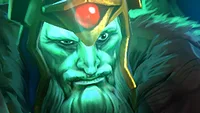 Wraith King
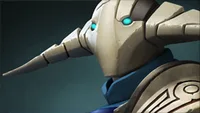 Sven
Sven
 Drow Ranger
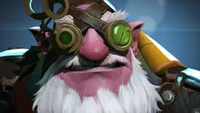 Sniper
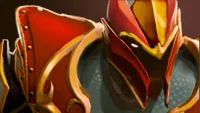 Dragon Knight
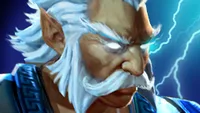 Zeus
Zeus
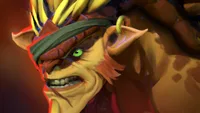 Bristleback
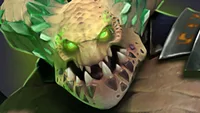 Underlord
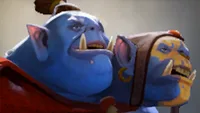 Ogre Magi
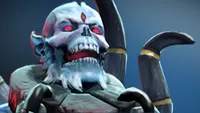 Lich
Lich
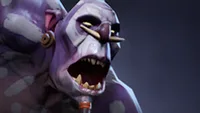 Witch Doctor
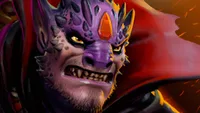 Lion
Lion
FAQ
Which heroes should a beginner start with in Dota 2?
Start with mechanically simple heroes: point-and-click abilities with no aiming, tankiness that forgives mistakes, and a clear role. Classic examples are Wraith King and Sven for carry, Dragon Knight and Zeus for mid, Lich and Ogre Magi for support. The specific meta shifts, but the ease of control on these heroes is stable.
What makes a hero easy?
Four traits: point-and-click abilities with no skillshots, no micro (you don't have to control extra units), durability or a built-in save, and a clear job in the game. Such a hero forgives mistakes and lets you focus on the basics — last-hitting, the map and timings.
How many heroes should a beginner learn?
At the start one or two heroes mastered to automatism beat twenty learned a little. A narrow pool gives depth: you stop thinking about keys and start thinking about the game. Widening the pool makes sense later, once the basics no longer need your attention.
Do hard heroes climb MMR faster?
No. At low and medium brackets consistency wins games, not hero difficulty. A simple hero you don't make mistakes on brings more wins than a hard one you fumble. Pick up hard heroes once the fundamentals no longer distract you.
An easy hero is a fast start, a boost is a fast result
Easy heroes let you learn the basics faster, but you want the rating now. A boost helps you break the ceiling while your skills settle in. Not sure which format fits — drop us a line in chat, we'll help.